Castells Music: gralla, timbal and toc de castells
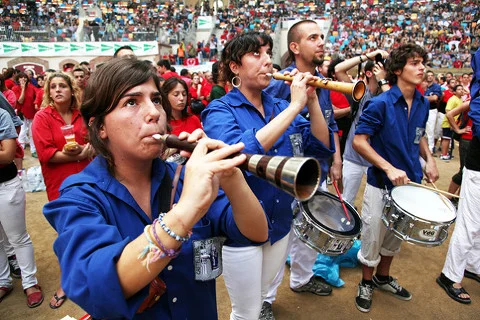
Casteller music is not decoration or accompaniment: it is an essential communication tool. Without the gralla and the timbal, a castell cannot be built. The musicians guide each phase of the construction with specific melodies and rhythms that send real-time information to the castellers forming the structure.
Think about it: the castellers in the pinya, the human base carrying the weight, cannot see what is happening on the upper levels. They rely completely on the sound of the gralla to know whether the castell is rising, whether it has been crowned, whether it is coming down safely or whether it has to be dismantled. The music is, quite literally, the eyes of the people who cannot look up.
The instruments
The traditional casteller musical ensemble is simple and effective: two or three gralles and one timbal. Each instrument has a clear and complementary role. The gralla carries the melody and communicates the phases of the castell; the timbal sets the rhythm and keeps the whole sound together.
The gralla
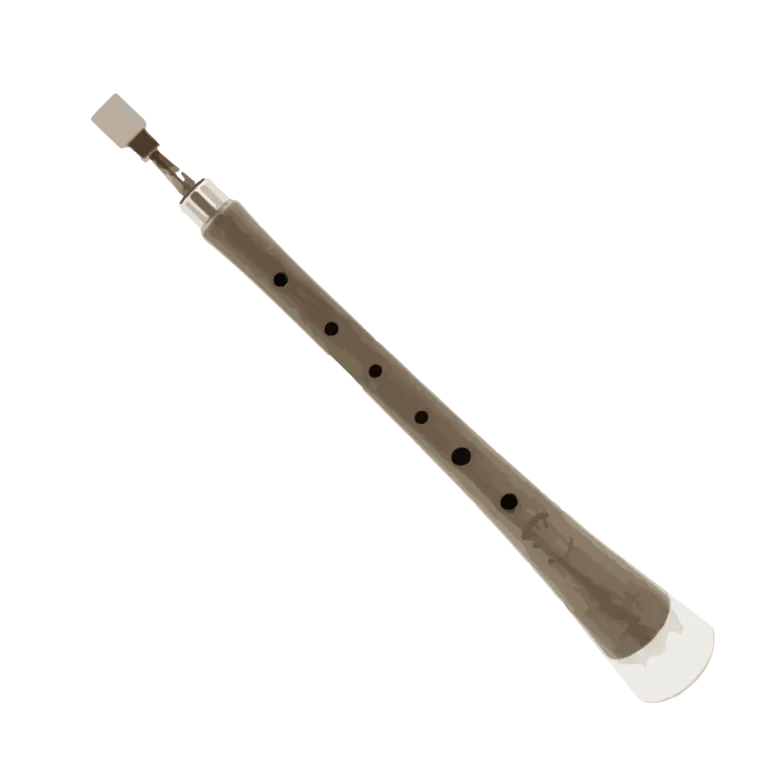
The gralla is a double-reed wind instrument and one of the symbols of traditional Catalan music. Its loud, piercing sound can carry across a large square, which is essential for outdoor performances where it must rise above the noise of the crowd and reach every casteller in the structure.
There are two main variants. The gralla seca is the older one: it has no keys, produces a sharper sound and has a more limited range. The gralla dolca, by contrast, includes keys that allow full chromatic scales, making it more versatile and slightly softer in tone.
Within a casteller performance, the gralla leads the melody. It plays the toc de castells and signals the changes that tell castellers which phase they are in. An experienced graller does not just play: they read the castell and adapt their performance to the real pace of the construction.
The timbal
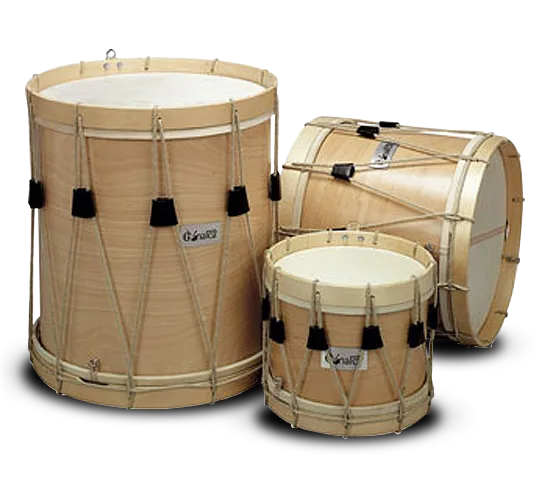
The timbal is the percussion instrument that provides the rhythmic base of casteller music. With regular, precise beats, the timbaler sets the tempo over which the gralles unfold the melody. It may sound secondary, but the timbal is what keeps the entire musical ensemble coherent.
The classic line-up, two or three gralles accompanied by one timbal, has remained almost unchanged for generations. This simple but forceful combination makes sure the sound reaches the whole square clearly, from the castellers in the pinya to the audience watching from a distance.
The toc de castells
The toc de castells is the signature melody that accompanies the building and dismantling of each castell. It is recognisable for its mixed metres, alternating binary and ternary sections, which give it a distinctive character. It is not played as a fixed piece from start to finish: the graller adjusts it in real time according to the progress of the castell.
Its role is fundamentally communicative. Each musical section matches a specific phase: the climb, the crowning, the controlled descent and, if needed, the dismantling. The castellers in the pinya, who cannot see the upper levels, know exactly where the castell stands through the sound of the gralla.
Historically, two main styles of toc de castells became established: the Vilafranca style and the Valls style, associated with two of the towns with the deepest casteller tradition. Each has its own melodic and ornamental features, although both serve the same communicative purpose.
Other traditional tunes
The toc de castells is the best known, but it belongs to a wider casteller musical repertoire that accompanies different moments of a performance day. The toc de matinades is probably the oldest of them all: it was played early in the morning while walking through the streets to wake people up and announce that it was a day of castells.
The toc de processo has a more solemn and measured character. It originally accompanied religious processions in which casteller groups took part, and it is still preserved in some festivities today. Its slow, stately rhythm contrasts with the intensity of the toc de castells.
The entry and exit tunes, consolidated during the 19th century, accompany the groups as they enter and leave the square. They are moments of ceremony and emotion: the entry marks the beginning of the performance and the exit closes it. Together these tunes form a rich, living musical heritage that goes far beyond the construction itself.
Music at a corporate performance
In a corporate performance, the music turns the visual spectacle into a full sensory experience. The powerful sound of the gralla immediately captures the audience's attention and creates anticipation from the first moment. As the castell rises, the timbal's pulse and the gralles' melody accompany the growing tension until the burst of emotion when the enxaneta crowns the tower with a raised hand.
That combination of visual spectacle and live traditional music is what makes casteller performances unforgettable for guests. People do not just see the castell: they feel it through the rhythm that marks every step of the construction. For corporate events, this sonic dimension adds an emotional impact that few other team-building activities can match. How a corporate performance works →